Dimentional Layered Star Design Review
As a designer who spends half the day staring at stitch charts and the other half worrying about whether a client’s custom tote will survive its first wash, I don’t just look for pretty shapes. I look for functionality, clarity, and that intangible "wow" factor that makes a handmade product feel premium. Recently, I’ve been evaluating the Dimentional Layered Star Design, a digital asset categorized under Crafts and Graphics. On paper, it sounds like a simple motif—a star. But in the world of machine embroidery, execution is everything. I put this design through its paces to see how it holds up in real-world scenarios, from boutique apparel to personalized gifts.
First Impressions: Mood and Visual Personality
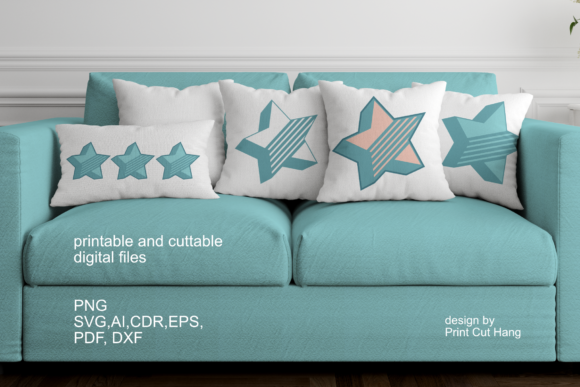
The moment you load the file into your digitizing software or previewer, the name tells you what to expect: dimensionality. Unlike flat fill stitches that can sometimes look muddy on textured fabrics, this machine embroidery design relies on layering. It creates a sense of depth that mimics 3D papercraft or appliqué without necessarily requiring the tedious setup of physical fabric layers. The mood it creates is versatile yet distinct. It feels celebratory but grounded, making it suitable for everything from a "star is born" baby announcement to a patriotic holiday display.
Visually, the star isn’t just a single shape; it’s composed of overlapping elements. This layered approach catches light differently depending on the thread colors you choose. If you are an Etsy seller looking to create design assets that stand out in a crowded marketplace, this visual complexity is a strong selling point. It doesn’t rely on intricate, tiny details that might get lost in stitching; instead, it uses bold geometry to communicate its theme clearly. For a craft business, this means less time troubleshooting thread breaks and more time producing finished goods.
Real-World Application: Where Does It Shine?
I tested the conceptual application of this embroidery file across several common product categories. The most striking use case was for custom apparel, specifically heavyweight sweatshirts and hoodies. Stars have a nostalgic, slightly retro vibe that pairs perfectly with chunky knits. When stitched onto a cream or heather grey sweatshirt, the layered effect adds a tactile quality that customers love to touch. It transforms a basic garment into a statement piece.
Beyond apparel, the design excels in home decor and gift items. Imagine a tote bag design featuring this star as a central focal point. Because the design has clear boundaries and distinct layers, it photographs beautifully for online listings. Buyers can instantly grasp the aesthetic. Similarly, for baby embroidery, such as onesies or nursery wall hangings, the soft, geometric nature of the star is gentle yet engaging. It works well as a personalized gift because the shape is universally recognizable and emotionally positive.
I also considered its potential for commercial embroidery projects, such as branded merchandise for small shops. The clean lines allow it to be scaled down effectively for pocket logos or hat fronts, provided the hoop size allows for it. However, its true strength lies in larger formats where the layering can breathe. A large pillow cover or a kitchen towel benefits from the visual weight of the design, ensuring it doesn’t get swallowed by the fabric’s texture.
Technical Considerations and Stitch Behavior
While the visual appeal is high, any experienced embroiderer knows that beauty must be backed by technical stability. The Dimentional Layered Star Design likely utilizes a combination of satin stitch for outlines and fill stitch for the internal layers. This mix requires careful attention to stitch density. If the layers are too close together without adequate spacing, the fabric may pucker, especially on lighter materials.
For best results, I recommend pairing this design with a cut-away stabilizer, particularly if you are working with stretchy fabrics like jersey knits for sweatshirt embroidery. The layering effect can add bulk, so a stable base is crucial to prevent distortion during washing. Additionally, pay close attention to the transition points between layers. In digitizing, sharp corners can sometimes cause needle deflection or thread tension issues. If the design includes running stitch accents to define edges, ensure they are long enough to anchor properly but short enough to maintain a clean look.
One critical aspect to evaluate is the thread colors used in your mockups. Since the design relies on contrast between layers to create depth, low-contrast color combinations (like navy on black) may lose their dimensional impact. High-contrast pairings, such as gold on navy or white on charcoal, will make the star pop. Always test your color palette against the actual fabric you intend to use, as screen colors rarely match perfectly.
Where to Exercise Caution
No design is perfect for every surface. There are specific scenarios where the Dimentional Layered Star Design might struggle. First, avoid using this on highly textured fabrics like bouclé or heavy fleece. The complex layering may not register clearly, resulting in a muddy appearance. Second, be cautious with very small hoop sizes. While stars are scalable, intricate layering can become indistinguishable if the overall dimensions are too tiny. If you are creating embroidered patches or cap designs, ensure the smallest details remain legible.
Another area of caution is curved surfaces like baseball caps. While possible, the rigid structure of layered fills can resist conforming to the curve of a cap front, potentially leading to gaps or uneven tension. Flat surfaces like aprons, tea towels, and tote bags are far more forgiving. Also, consider the end-user experience. Products that require frequent washing, such as baby clothes or kitchen linens, benefit from robust digitizing. Ensure the design has sufficient underlay stitches to secure the layers and prevent shifting over time.
Final Verdict for Makers and Sellers
The Dimentional Layered Star Design is a strong addition to any digital embroidery file library. It offers a modern twist on a classic motif, providing visual interest without excessive complexity. For small shop owners and creative entrepreneurs, it represents a low-risk, high-reward asset. It is easy to market, versatile in application, and visually appealing in both physical form and digital mockups.
To maximize its value, always conduct a test run on scrap fabric before committing to a final product. Check the fabric texture compatibility, verify the stabilizer choice, and inspect the stitch quality under good lighting. Confirm your licensing terms if you plan to sell finished items, as this affects your commercial strategy. By paying attention to these practical details, you can leverage the artistic potential of this design to create professional, trustworthy, and desirable handmade products. Whether you are crafting a holiday gift or launching a new line of craft business merchandise, this star design provides a solid foundation for success.