Gable Box Embroidery Design Review
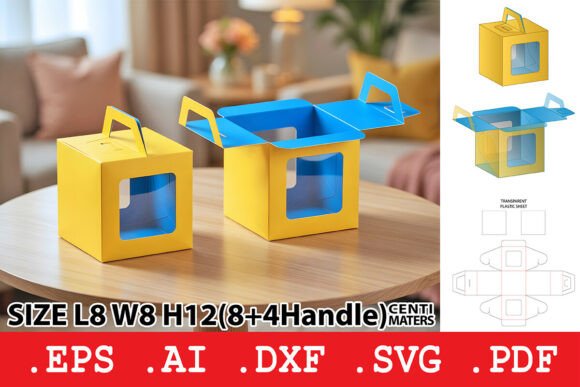
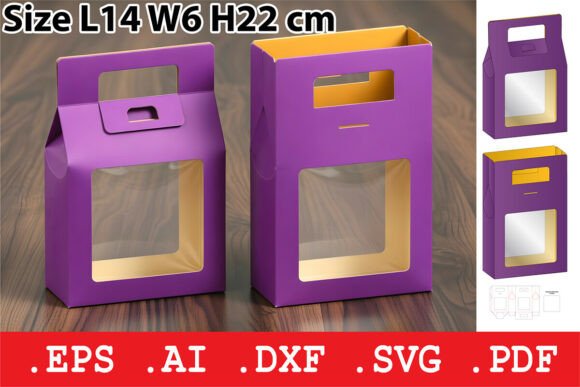
When I first pulled up the Gable Box with Handle and Window file, my immediate reaction was one of practical curiosity. As someone who spends half their day troubleshooting thread jams and the other half trying to make handmade goods look professional enough for boutique shelves, I don’t just look at a design’s aesthetic; I look at its structural integrity on fabric. This Graphics category piece caught my eye not because it is overly ornate, but because it mimics a tangible object—a gift box—that we all recognize instantly. It sits squarely in the Boxes Amp niche, yet its application goes far beyond simple packaging mockups.
First Impressions: Mood and Visual Personality
The Gable Box with Handle and Window carries a specific mood: organized, celebratory, and thoughtful. In the world of embroidery, shapes that mimic real-world objects often stand out because they trigger an emotional response related to receiving gifts or finding something special. The integrated handle suggests portability and care, while the window implies transparency and value inside. Visually, this design feels clean and modern. It avoids the cluttered, vintage-heavy style that dominates many craft fair tables, opting instead for a crisp, contemporary look that appeals to a wide demographic.
From a layout perspective, the design balances negative space with defined lines. For an embroidery designer, this is crucial. A design that is too dense can feel heavy on lightweight fabrics, while one that is too sparse might get lost on a textured background. This particular machine embroidery design strikes a balance, using clear outlines and strategic fill areas to create depth without overwhelming the viewer. It feels like a design meant to be seen clearly from a distance, which is essential for Etsy seller listings where thumbnail visibility determines click-through rates.
Real-World Application: Where Does This Fit?
I spent some time thinking through where Gable Box with Handle and Window would actually shine in a production run. My first scenario involved a line of personalized baby gifts. Imagine a soft, organic cotton onesie or a muslin swaddle blanket embroidered with this box. The concept of "gift-ready" translates beautifully to baby showers. Parents love items that feel curated, and having a design that looks like a present adds a layer of perceived value before the item is even unwrapped.
Another strong use case is holiday merchandise. We are moving into a season where people are gifting everything from homemade cookies to artisanal candles. An embroidered patch featuring the Gable Box with Handle and Window could be sewn onto a reusable tote bag designed for carrying treats. This ties directly into the tote bag design trend, where functionality meets charm. The handle element of the design mirrors the actual handle of the tote, creating a clever visual pun that customers appreciate.
For small business owners in the kitchenware space, this design works exceptionally well on tea towels or aprons. Picture a linen apron with a small, tasteful rendition of the box near the pocket. It suggests baking, hosting, and hospitality. It transforms a utilitarian garment into a statement piece about home and comfort. Similarly, for craft business vendors selling digital assets, this design serves as a perfect centerpiece for printable mockups. When you show a customer how a digital embroidery file looks on a finished product, clarity is key. This design’s distinct shape ensures that even in a busy composite image, the focal point remains sharp and recognizable.
Technical Performance and Stitch Behavior
Let’s talk about the mechanics. How does Gable Box with Handle and Window perform under the needle? The design likely utilizes a mix of satin stitches for the outline and handle, and perhaps some fill stitch for the main body of the box. Satin stitches provide that crisp, defined edge necessary for geometric shapes, preventing the "fuzzy" look that can occur if the stitch density is too low. However, high-density satin can cause puckering on thin fabrics, so choosing the right material is non-negotiable.
The "window" aspect of the design is interesting from a stitching perspective. If rendered as open space (negative space), it relies entirely on the fabric showing through. This requires a stable hoop setup and proper stabilizer usage to prevent distortion. If it is filled with a lighter color thread or a different texture, it adds dimension. I always advise testing such designs by converting them to black and white in your software. This helps you see if the contrast between the box structure and the window area is sufficient for the human eye to distinguish the two elements quickly.
Thread colors play a massive role here. Because the design mimics packaging, earthy tones, pastels, or classic navy and gold work well. Bright, neon threads might clash with the "gift" theme, making it look more industrial than celebratory. When selecting thread colors, consider the target audience. For personalized gifts, neutral palettes tend to have broader appeal, allowing the recipient to imagine the contents themselves.
Where to Use It Carefully
No design is universal, and Gable Box with Handle and Window has specific constraints. I would avoid placing this on highly textured fabrics like chunky chenille or rough burlap unless you are doing a very large hooping size. The fine details of the handle connection and the window frame could get lost in the weave. Similarly, stretchy knits require extra caution. If the fabric stretches during stitching, the geometric straight lines of the box may warp, losing their professional appearance.
Small hoop sizes are another limitation. If you attempt to digitize or stitch this down to a tiny size, such as 2x2 inches, the handle and window details will become indistinguishable blobs. This design needs room to breathe. It is best suited for medium to large placements, such as the chest area of a sweatshirt, the center of a pillow cover, or the front panel of a cap. Trying to force it onto a tiny accessory like a hair clip or a button will result in frustration and poor quality.
Dense stitch areas should also be monitored. If the design uses heavy fill stitches for the box body, it may become stiff and uncomfortable, especially on apparel like t-shirts or baby clothes. In these cases, using a tear-away stabilizer and ensuring the fabric is taut is vital. For commercial embroidery projects where durability is key, you must ensure the stitches lock down properly to withstand frequent washing. Test wash your sample to check for shrinkage or thread breakage.
Practical Designer Notes for Success
- Test on Scrap Fabric: Always run a test stitch on the exact fabric you plan to use. This reveals tension issues and color clashes before you commit to the final product.
- Check Stitch Density: Review the stitch count. If it is unusually high, consider reducing the density in your digitizing software to prevent bulkiness.
- Confirm Hoop Size: Ensure your machine’s hoop can accommodate the full dimensions of the Gable Box with Handle and Window without cropping essential details.
- Inspect Small Details: Zoom in on the digital file. Are the corners sharp? Is the handle attachment point clear? These micro-details define the professionalism of the final piece.
- Use Proper Stabilizer: Match your stabilizer to your fabric weight. Heavy cut-away for wovens, light tear-away for knits, and adhesive for tricky surfaces.
- Verify Licensing: Before selling finished items or offering this as a design asset, double-check the commercial license terms. Some files allow unlimited personal use but restrict commercial sales.
In conclusion, Gable Box with Handle and Window is a versatile, visually appealing choice for designers looking to add a touch of structured elegance to their portfolio. It bridges the gap between abstract art and functional representation, making it a smart addition to any embroidery project library. Whether you are creating a unique handmade product for a local market or expanding your digital product offerings online, this design offers a reliable foundation for creating items that feel both crafted and commercially viable. Just remember to respect its structural needs, and it will reward you with a polished, trustworthy finish every time.