Monarch Butterfly Embroidery Review
As a designer who spends half my life staring at stitch density charts and the other half worrying about how a finished product will hold up after twenty washes, I don’t just look for pretty pictures. I look for viability. When I first pulled up the Monarch Butterfly design, my immediate reaction was one of cautious optimism. It is a classic motif, sure, but in the world of handmade commerce, "classic" only works if it executes well. This file, categorized under Crafts and Graphics, promises versatility with its dual nature as both a paper sculpture template and an embroidery asset. But does it translate effectively to thread?
I decided to put this machine embroidery design through the wringer. My goal was to determine if it has the staying power for a serious craft business or if it remains merely a hobbyist’s weekend project. Here is my honest breakdown of how the Monarch Butterfly performs in real-world scenarios.
First Impressions and Visual Personality
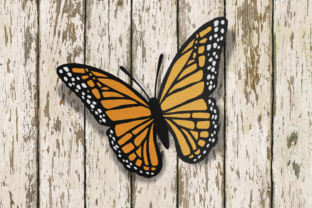
The moment you load the file, the visual hierarchy is clear. The design captures the iconic orange and black pattern of the monarch without getting bogged down in unnecessary complexity. For an Etsy seller or small shop owner, this is crucial. Customers today have short attention spans; they need to recognize the subject instantly. The shape is distinct, elegant, and inherently feminine, which makes it a strong contender for boutique branding.
What stands out most is the structural integrity of the wings. In many butterfly designs, the delicate tips of the wings can get lost in dense stitching or look distorted on curved surfaces. Here, the lines remain crisp. The inclusion of a single-color version is a smart move by the creator. It allows for high-contrast applications on dark fabrics where color blending might muddy the aesthetic. This flexibility suggests that the designer understands the practical limitations of home machines and commercial heads alike.
Real-World Application: From Tote Bags to Nursery Decor
Let’s talk about actual use cases. I envision this embroidery project shining in several specific categories. First, the tote bag design market is saturated, but there is always room for quality. A large-scale monarch centered on a canvas tote creates an instant statement piece. The clean lines would pop against natural jute or sturdy cotton blends, elevating what could otherwise be a generic accessory into a handmade product with perceived value.
Secondly, consider the apparel decorator angle. While I wouldn’t recommend this for heavy-duty workwear, it fits perfectly on lightweight sweatshirts or hoodies. The soft curves of the wings contrast beautifully with the casual texture of fleece. However, placement is key. Centered chest or left-side pocket placements tend to work best for maintaining the balance of the wingspan.
For those selling personalized gifts, this design is a goldmine. Think baby onesies, burp cloths, or nursery wall hangings. The monarch symbolizes transformation and growth, making it emotionally resonant for new parents. When stitched in soft pastels or monochromatic threads, it becomes a sophisticated holiday embroidery gift rather than a cliché cartoon image. It also translates exceptionally well to pillow covers and tea towels, adding a touch of nature-inspired elegance to kitchen or living space decor.
The 3D Paper Sculpture Factor
It is worth noting that this file also serves as a digital embroidery file for paper crafts. The ability to bend the wings for a 3D effect adds a layer of interactivity that customers love. If you are a digital product seller, offering this as part of a bundle—where buyers can choose between stitching it onto a garment or crafting it into a card—is a brilliant upsell strategy. It bridges the gap between graphics and tangible craft, expanding your potential audience.
Where Caution Is Required
No design is perfect, and transparency is part of professional review. There are specific scenarios where the Monarch Butterfly requires careful handling.
- Hoop Size Limitations: Do not attempt to embroider this in a hoop smaller than 4x4 inches unless you are using the simplified single-color version. On smaller frames, the intricate vein details in the wings may merge together, losing definition and creating a muddy appearance.
- Fabric Texture and Stability: This design relies on clean edges. Avoid stretchy knits like jersey unless you are using a heavy-duty tear-away stabilizer. Without proper support, the fill stitches can pucker, distorting the symmetry of the wings. Similarly, textured fabrics like bouclé or heavy tweed will obscure the fine details of the running stitch outlines.
- Dense Stitch Areas: Pay close attention to the wing borders. If your machine tension is off, these areas can become stiff and bulky. For custom apparel that needs to drape softly, test the stitch density on scrap fabric first. You may need to reduce the density slightly to maintain comfort.
- Curved Surfaces: While it looks great on flat panels, applying this to caps or hats requires precision. The wings must align with the curve of the cap front to avoid looking twisted. Practice on cardboard blanks before committing to expensive merchandise.
Design Notes for the Professional Maker
To get the most out of this embroidery file, follow these practical steps during your production process.
- Thread Color Contrast: Always check your thread colors against your fabric background. A light orange monarch on white fabric will vanish. Use bold contrasts, such as black thread on white, or vibrant orange on navy blue, to ensure visibility.
- Stabilizer Selection: Match your stabilizer to your fabric weight. For delicate silks, use a water-soluble topping to prevent pull marks. For denim or canvas, a cut-away stabilizer ensures long-term durability, especially for items that will undergo frequent washing.
- Black and White Mockups: Before cutting fabric, convert the design to grayscale in your software. This helps you evaluate the balance of positive and negative space. If the design looks too cluttered in black and white, it will likely feel overwhelming in color.
- Licensing Verification: As a commercial entity, you must confirm the licensing terms before selling finished items. Ensure you have the right to sell physical products made from this design assets pack. Some files are for personal use only, while others allow limited commercial sales.
Final Verdict on Value and Appeal
Does the Monarch Butterfly earn its place in your library? Absolutely. It strikes a rare balance between artistic flair and technical reliability. It feels professional, timeless, and adaptable. Whether you are creating a small shop product for a local craft fair or designing printable mockups for digital downloads, this file delivers results.
The visual appeal is high, which directly impacts customer trust. Buyers associate clean, precise embroidery with quality craftsmanship. By using a well-executed design like this, you signal that you care about the details, even the ones hidden inside the hoop. It enhances the finished product’s presentation, making it more giftable and shareable on social media.
In conclusion, the Monarch Butterfly is more than just a pretty graphic. It is a functional, versatile tool for any maker serious about their output. Just remember to respect the technical requirements—hoop size, stabilizer choice, and fabric compatibility—and it will serve you well across countless projects. For the embroidery designer looking to expand their catalog with reliable, high-demand motifs, this is a solid addition.