Pine Cone 3D Looking: A Designer’s Review for Crafts & Nature Amp Projects
When I first pulled Pine Cone 3D Looking into my design workspace, my initial reaction was one of cautious optimism. As a graphic designer who frequently bridges the gap between digital marketing visuals and physical product manufacturing, I am always skeptical of assets that promise "3D" effects but often deliver flat, clipart-like results. However, this specific asset from the Nature Amp category within the Crafts niche feels different. It possesses a textural depth that suggests it could be more than just a decorative sticker; it has the potential to serve as a cornerstone for seasonal branding or artisanal packaging.
I recently evaluated this file with a hypothetical client project in mind: a boutique candle company launching an autumn collection. The brand identity relies on earthy tones, rustic charm, and high-quality tactile experiences. In this context, visual hierarchy is critical. The design needs to stand out on a crowded Etsy shop page while remaining elegant enough for a minimalist product label. Here is my professional assessment of how Pine Cone 3D Looking performs under real-world design pressures.
First Impressions and Visual Mood
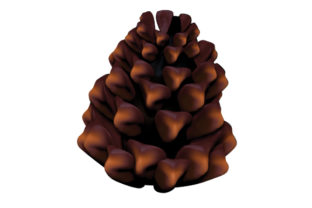
The immediate appeal of this asset lies in its ability to simulate volume without feeling heavy. Unlike basic vector illustrations that can look two-dimensional and sterile, this piece uses shading and contour lines effectively to create a sense of realism. For a handmade business owner or a small business branding specialist, this level of detail adds instant perceived value. It doesn't scream "digital download"; instead, it whispers "premium quality."
The mood it creates is warm, organic, and grounded. This makes it an ideal candidate for editorial design pieces that focus on sustainability, outdoor living, or cozy aesthetics. When placed against a cream or kraft paper background, the asset pops without clashing, offering a natural contrast that guides the viewer’s eye. It fits seamlessly into themes ranging from woodland weddings to fall harvest festivals.
Performance in Real Design Situations
In my workflow, versatility is key. I tested Pine Cone 3D Looking across several common design scenarios to see where it truly shines.
- Packaging Design: This is perhaps its strongest use case. When applied to product mockups for jars, boxes, or tags, the asset adds a focal point that elevates the entire package. It works exceptionally well as a central element on a product label, allowing the typography to remain clean and legible around it.
- Social Media Graphics: For Instagram posts and Pinterest pins, the asset provides enough visual interest to stop the scroll. It pairs beautifully with serif font styles for headlines, creating a sophisticated juxtaposition between modern typography and organic imagery.
- Merchandise and Apparel: While it might be too detailed for a tiny logo design, it excels as a large layout area graphic on tote bags, mugs, or t-shirt designs. The sublimation design capabilities are strong here, as the gradients and shadows translate well to fabric when printed correctly.
- Digital Products: If you are creating a Canva template for planners or printable wall art, this asset serves as a perfect anchor. It helps balance negative space and gives the user’s eye a place to rest.
Strategic Placement and Limitations
No single asset is a silver bullet, and understanding where Pine Cone 3D Looking should be used carefully is just as important as knowing where it thrives. In minimalist branding projects, where the goal is extreme simplicity, this asset might introduce too much visual noise. It requires breathing room.
Avoid placing this asset in crowded layouts or over complex backgrounds. The subtle shading that gives it its 3D appearance can get lost if the underlying image is too busy. Furthermore, at very small sizes, such as in favicon usage or tiny social media icons, the intricate details may blur, turning the clean lines into muddy pixels. In these instances, a simplified version or a solid silhouette would be more effective for maintaining visual trust and recognition.
Additionally, consider the emotional appeal you are trying to convey. While this asset is charming, it leans towards rustic and traditional. It may not fit the sleek, futuristic vibe of a tech startup or the sterile precision required in medical or corporate materials. Professionalism in design is about context; using a nature-inspired, textured asset in a high-stakes corporate environment can undermine the authority of the message.
Technical Considerations for Commercial Use
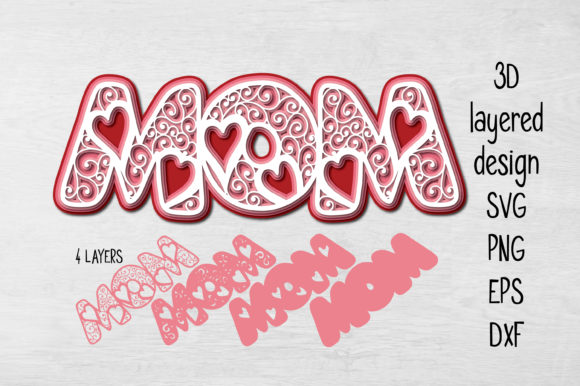
Before integrating this asset into any commercial design project, there are technical checks every designer must perform. The product description mentions receipt of SVG File, Transparent PNG, EPS, and DXF formats. This variety is excellent for flexibility.
Vector Editability: The SVG and EPS files allow for infinite scalability, which is crucial for large format printing like banners or vehicle wraps. Inspect the vector paths to ensure they are clean and not overly dense with nodes, which can slow down rendering software. You should also test how the asset interacts with different font styles. Does it clash with a handwritten font? Does it complement a display font? These pairings determine the final polish of the design.
Raster Quality: The Transparent PNG is vital for quick placements in tools like Canva or Photoshop. Check the edge anti-aliasing to ensure there are no jagged white halos around the pine cone, especially when placed on dark backgrounds. Always preview it at small and large sizes to ensure clarity remains consistent.
Print Readiness: If you are using this for print-on-demand services or physical stickers, convert the design to CMYK color mode before exporting. RGB colors often appear duller in print, so adjusting the saturation ensures the rich browns and greens of the pine cone remain vibrant. Test print a sample to check ink coverage and dot gain.
Final Verdict on Creative Value
Pine Cone 3D Looking is a robust graphic design asset that offers significant utility for content creators, bloggers, and publishers looking to enhance their visual storytelling. It is not merely a clipart image but a versatile illustration that supports brand identity and marketing visuals when used with intention.
For digital sellers and Etsy product creators, this asset can help differentiate your offerings by adding a layer of sophistication that generic clipart lacks. It supports a cohesive creative design language that resonates with audiences seeking authenticity and quality. Whether you are designing a sticker design for a planner, a web design element for a lifestyle blog, or a marketing visual for a local event, this asset delivers on its promise of realistic texture and charm.
However, remember that good design is about restraint. Use Pine Cone 3D Looking to accentuate your message, not overpower it. Confirm your commercial license allows for the specific type of end-product you are creating, whether that is a limited run of physical goods or unlimited digital downloads. When handled with care, this asset becomes a valuable tool in your design arsenal, helping you create work that feels both modern and timeless.