Jewelry Tag Canva Template Review for Embroidery
As a designer who spends half the day staring at pixel-perfect vectors and the other half troubleshooting stitch errors on a hoop, I approach every new asset with a healthy dose of skepticism. We are constantly looking for that sweet spot where digital convenience meets tactile reality. That is exactly why I decided to put the Jewelry Tag Canva Template through its paces. This isn’t just about how it looks on a screen; it is about how it translates when converted into an embroidery file and stitched onto actual fabric. For Etsy sellers, craft business owners, and anyone creating handmade products, the difference between a good design and a great one often lies in these practical execution details.
First Impressions: The Visual Personality
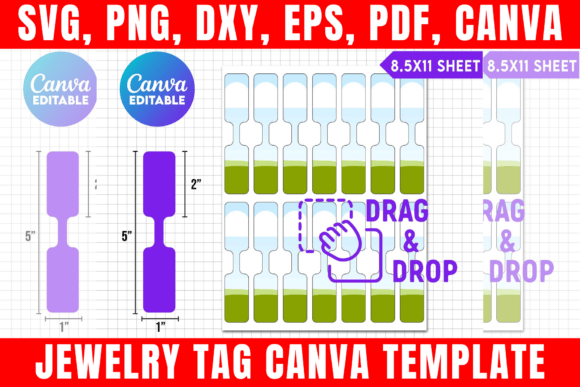
When you first open the Jewelry Tag Canva Template, the immediate takeaway is its clean, structured aesthetic. It carries the weight of a print template designed for clarity, which is crucial because jewelry tags need to communicate value instantly. The layout feels balanced, avoiding the cluttered look that often plagues amateur designs. It has a professional, boutique vibe that suggests quality without shouting for attention.
From a design perspective, the visual personality is minimalist yet inviting. It relies on strong lines and clear negative space, which is excellent news for embroidery. Designs that are too ornate or rely on tiny, intricate details often lose their definition once stitched. This template, however, seems built for legibility. It creates a mood of sophistication, making it perfect for small shop product branding where you want your customers to feel like they are receiving something premium. It doesn’t scream "craft fair"; it whispers "boutique."
Real-World Application: From Screen to Stitch
Let’s talk about the real test: using this design in a live project. Imagine you are preparing a batch of custom embroidered tote bags for a holiday market. You have just finished stitching delicate floral patterns on the front, and now you need a label to attach to the handle or sew onto the corner. This is where the Jewelry Tag Canva Template shines. Its shape and proportions are ideal for a tag-style application.
I envision this working beautifully as a custom apparel accent on a sweatshirt or a tote bag. Because it mimics the structure of a price tag or brand label, it adds a layer of authenticity to your finished product. Customers love seeing that level of detail—it signals that you care about the presentation. It transforms a simple piece of clothing or a canvas bag into a branded experience. For personalized gifts, such as baby blankets or nursery decor, this tag can hold a name or a date, adding a sentimental touch that feels intentional and high-end.
The versatility extends to commercial embroidery projects as well. If you are producing digital embroidery file assets for other designers, this template offers a solid foundation. It provides a recognizable format that buyers associate with organization and professionalism. Whether you are creating design assets for a craft business or updating your own Etsy listings, having a versatile tag design saves time and elevates the perceived value of your work.
Where Caution Is Required
No design is without its challenges, and being honest about limitations is part of being a responsible reviewer. While the Jewelry Tag Canva Template is visually appealing, you must be mindful of where you place it. Small hoop sizes can be tricky. If the tag includes fine text or very thin lines, those elements might become muddy or disappear entirely during stitching. Always inspect small details closely before committing to production.
Fabric texture plays a huge role here. On highly textured fabrics like chunky knits or rough linen, the definition of the tag may soften. Thin or stretchy fabrics require careful stabilization to prevent puckering, especially if the design uses dense stitch areas. If you are applying this to curved surfaces like caps or hats, the flat nature of a tag design might not conform perfectly unless you use proper techniques like cut-away stabilizers or strategic hooping.
Additionally, consider thread color contrast. On dark fabric, light-colored threads might get lost, while bright threads on light fabric could overwhelm the design. Testing the design in black and white mockups can help you gauge the balance of light and dark elements. Also, keep in mind that decorative accents or tiny lettering should be avoided if you plan for the item to undergo frequent washing. Durability matters, and overly complex details are the first to fray.
Practical Designer Notes for Success
To get the best results from the Jewelry Tag Canva Template, follow these practical steps. First, always test the design on scrap fabric that matches the type and weight of your final material. This helps you adjust tension and see how the stitch density interacts with the weave. Check your thread colors against the fabric under natural lighting to ensure readability.
Review the conversion process carefully. When turning this graphics element into a machine embroidery design, pay attention to how the software interprets the shapes. A satin stitch border might look sharp on screen but could bunch up on fabric if the stitch length is too short. Conversely, a fill stitch area needs enough density to cover the base fabric completely. If the design includes running stitch details, ensure they are spaced appropriately to avoid tangling.
Confirm the hoop size limits of your machine and ensure the design fits comfortably within them. Inspect the corners of the tag; sharp angles can sometimes cause needle breakage or thread breaks if not handled correctly. Use a proper stabilizer to support the fabric, especially for lightweight materials. Finally, verify whether the template allows for both personal and commercial use. Licensing terms vary, and as a creative entrepreneur, you need to know if you can sell finished product items made with this design.
Final Verdict
The Jewelry Tag Canva Template is a strong contender for anyone looking to add a polished touch to their embroidery project. It bridges the gap between digital design and physical craft with ease. Its clean aesthetic enhances brand consistency and boosts buyer engagement by presenting your work as professional and thoughtfully crafted. Whether you are creating holiday embroidery gifts, updating your apparel decorator portfolio, or simply organizing your small business merchandise, this template offers a reliable, stylish solution. Just remember to test thoroughly, respect the limitations of your materials, and let the quality of the execution speak for itself. For makers who value precision and presentation, this is a tool worth integrating into your workflow.